


Web design and ecommerce for businesses
Your website should explain what you offer and make the next step straightforward: asking a question, requesting a quote or buying a product. I design and redesign business websites and online stores by connecting content, navigation and technical implementation.
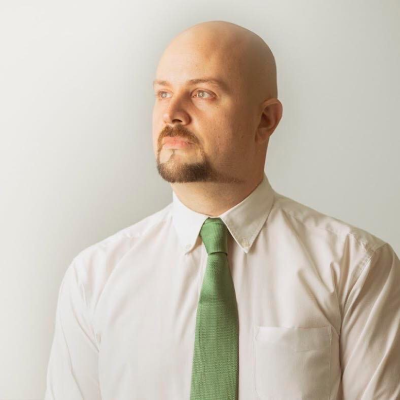
I am Javier Carmona Benítez. I have worked in technology since 2007 and under my own brand since 2013. I combine web development, SEO consulting and marketing so that design decisions reflect business needs. Based in Alicante, I work with companies across Spain and on international projects.
We start with your offering, your customers and the problems with your current website. We then agree on the pages, features and testing required. If you already have a useful website, we identify what to retain before changing it.
Client reviews on Google


Clients, teaching and collaborations

Explore the documented projects and case studies to see the work carried out for each organisation.
A business website that helps people decide
The first task is to organise the information. We identify what a visitor needs to know before making contact: services, scope, experience, projects and how you work. We then define navigation that makes those answers accessible without repeating the same content across several pages.
Each page and URL has a clear purpose. The presentation should convey your identity while making your services and calls to action easy to understand. Forms, phone links and other contact channels appear where they are useful.
Design for mobile visitors
We review readability, images, menus and forms at different screen sizes. Visual hierarchy should help visitors understand the content. Headings, links and buttons should not all compete for attention.
Online stores: catalogue, product and purchase
Ecommerce design starts with the catalogue. We consider how to group products, which filters customers need and what information each product page should contain. We also review variants, availability and common questions before purchase.
Payment, shipping and management requirements are defined before choosing a solution. The proposal distinguishes store configuration, product entry and connections to other tools. Licences and external services are considered separately where relevant.
A clearer buying journey
Product pages should make comparison easier and explain relevant conditions. We test variant selection, the cart and checkout steps within the agreed scope. We do not attribute increased sales to a design change without evidence that supports the conclusion.
WordPress, WooCommerce, Shopify or custom development
The platform depends on the project: catalogue size, the team maintaining it, integrations and budget. WordPress and WooCommerce can suit a website combining content and a store. Shopify can be an option when a hosted commerce platform fits the business.
If you need specific functionality, we can assess business applications and integrations. Before recommending custom development, we check whether an existing solution can meet the need with less complexity.
The decision includes who will manage content, recurring costs and the dependencies introduced by each tool. You should be able to maintain your website and understand how it can evolve.
Redesigning without losing what already works
A redesign does not start by discarding the existing website. We review its pages, links and available traffic and enquiry data. This helps separate presentation problems from useful content and routes worth retaining.
URLs, links and SEO structure
If URLs change, we prepare a mapping and review the necessary redirects. We check headings, internal links and important pages. Multilingual projects also need to preserve the relationship between languages.
This work can be supported by a website SEO audit. Ongoing SEO consulting has a different scope: developing search visibility after launch. A new website does not guarantee better rankings.
How the web design project is organised
1. Assessment and scope
We gather objectives, audience information, available content and requirements. We agree on the pages and features included, each party’s responsibilities and how progress will be reviewed.
2. Structure and visual proposal
We define navigation, hierarchy and layout. A proposal is reviewed before the design is extended across the website. Visual decisions remain consistent with your brand.
3. Development and content
We build the pages and integrate the agreed elements. We review text in context: what it explains, who it addresses and which action it supports. Copywriting, translation and image production are specified in the scope.
4. Testing and launch
We check links, forms, mobile display and the main features. For a store, we also test the buying journey. Launch and follow-up tasks are agreed in advance; subsequent changes and maintenance are defined separately.
Experience applied to real projects
My work has included designing Grupo Renovak’s new websites at the time and working for other brands within the group. I also developed the website for the Sports Awards associated with the Provincial Council of Alicante.
You can explore the documented projects and case studies. Each project should be assessed against the service delivered: a web design project does not, on its own, demonstrate SEO or sales results.
My background in technology, marketing and teaching connects website development with its practical use after launch. That experience helps explain decisions and their implications; it is not a promise that different businesses will achieve identical results.
What to agree before starting
The proposal should specify pages, features, revisions and responsibilities. Hosting, domain names, licences, content, translations and maintenance also need to be clarified. This makes it clear what is included and what requires a separate estimate.
To prepare a useful proposal, send your current website, a description of your business and the changes you need. For an online store, include the approximate catalogue size and how you manage products. You can request an assessment of your website project or explore all marketing and technology services.
Questions about web design and online stores
Can we improve our current website without rebuilding it?
Yes, if the existing foundations support your requirements. We review structure and functionality first. The proposal may focus on particular pages, forms or journeys instead of replacing the whole website.
How much does a project cost and how long does it take?
That depends on pages, features, the catalogue, available content and integrations. Those requirements allow me to prepare a scope and schedule. A fixed delivery date needs a clear understanding of what we are building.
Will we be able to update the content?
We define which areas your team will manage and what training or documentation you need. We also agree who will handle technical updates and ongoing maintenance.
Are SEO, languages and copywriting included?
The website structure takes SEO into account. Research, copywriting, translations and ongoing search work are detailed in the proposal so that included tasks are clearly distinguished from additional services.
Tell me what your project needs
Share your website, what your business does and what you would like to improve. I will review the context so we can discuss the next step.
“Together, we can improve the present and future of your online business”
Javier Carmona Benítez
Find me on Google Maps
Based in Alicante, working with businesses across Spain and internationally. Open Google Maps.